Holyrood Palace, explained — the complete guide
The Palace of Holyroodhouse is the King’s official residence in Scotland, at the foot of the Royal Mile in Edinburgh. A visit is self-paced with a multimedia guide and takes about an hour and a half, covering the State Apartments, Mary, Queen of Scots’ chambers, the ruined 12th-century abbey and the gardens. It is closed Tuesdays and Wednesdays outside the summer season — check opening days before you plan.
I end most of my Royal Mile tours on the forecourt at Holyrood, and the same thing happens every time: half the group photographs the gates, checks the clock, and turns back uphill towards the castle. I’ve been guiding this street since 2011, I live five minutes away in Abbeyhill, and my honest view is that plenty of those people just walked away from the better ninety minutes of their day.
What the palace actually is
The Palace of Holyroodhouse is not a museum piece. It is the King’s official residence in Scotland, and King Charles stays here every summer during Holyrood Week, as Queen Elizabeth II did in every year of her reign. Balmoral, up in Aberdeenshire, is the family’s privately owned Scottish home; Holyrood is the working one, where the state rooms still earn their keep and the gardens host the summer Garden Party. The Scottish Parliament sits directly across the road, which is why Scots say “Holyrood” the way Londoners say “Westminster”.
An abbey first, a palace later
The site started as an Augustinian abbey, founded in 1128 by King David I — “Holyrood” is Scots for holy cross, and the legend has David founding the abbey after a vision of a stag carrying a cross between its antlers. The palace proper was begun about 1501 under James IV, and the baroque quadrangle you walk through today was largely rebuilt in 1671–78 for Charles II, to Sir William Bruce’s design. Bonnie Prince Charlie held court here in 1745. The abbey survives as a ruin at the end of the visitor route, and for my money it’s the most affecting part of the building.
Mary’s six years
Mary, Queen of Scots lived at Holyrood from 1561 to 1567, in the 16th-century north-west tower, and her rooms are the reason many people come. On 9 March 1566 her private secretary, David Rizzio, was dragged out of her supper room and stabbed 56 times. You’ll be shown a spot on the floor of the outer chamber said to be his blood; I tell my groups plainly that the stain is a Victorian-era tradition as much as a forensic fact, and the room is no less chilling for it. The full story is on the Mary, Queen of Scots page.
How a visit actually flows
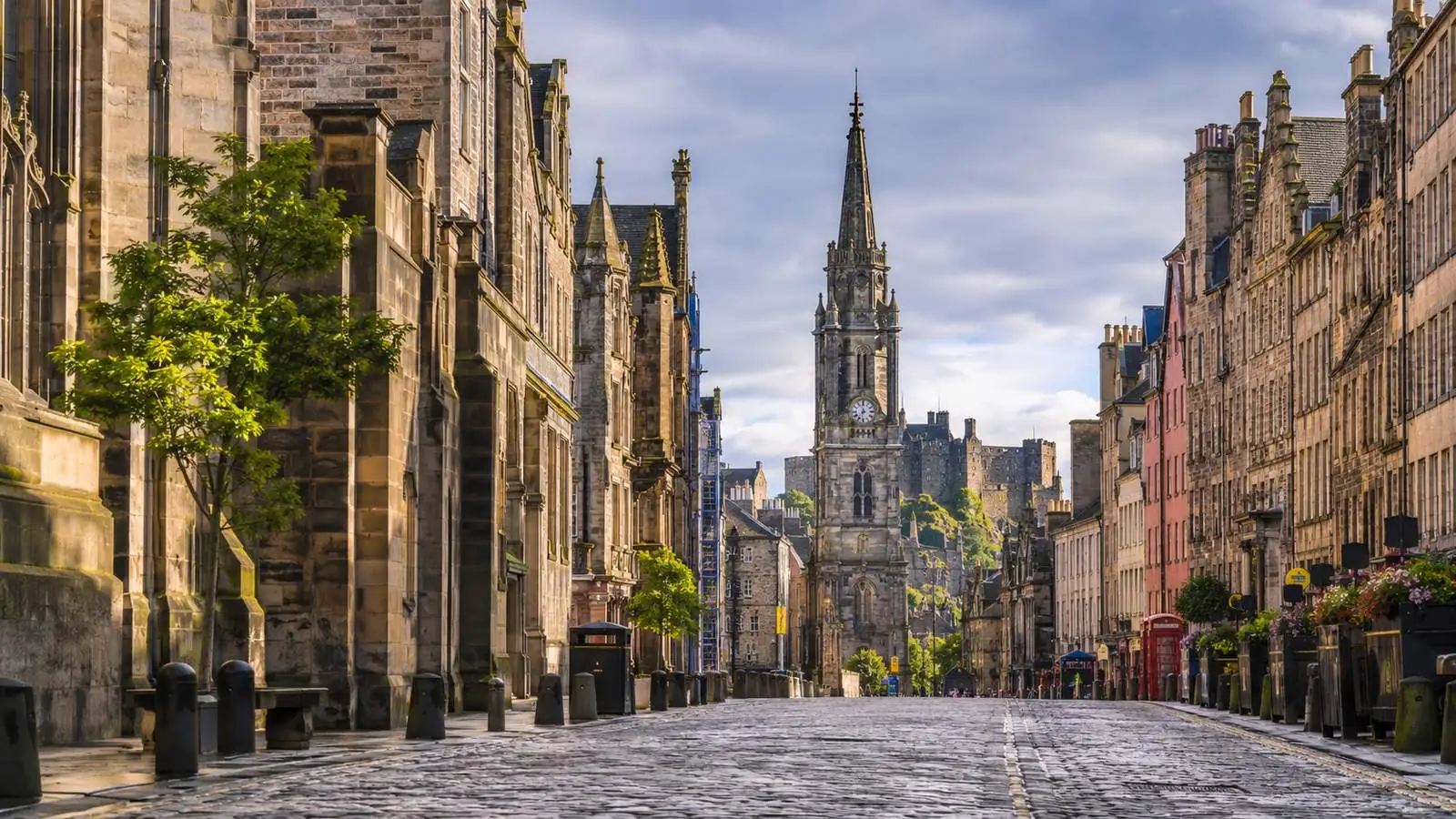
You swap your voucher at the ticket office, go through a security check, and switch your phone off — the Royal Collection Trust doesn’t allow interior photography, and the wardens are polite but firm about it. From there the route is one-way: up the Great Stair, through the dining room and throne room, along the Charles II state apartments to the Great Gallery — about 44 metres of it, hung with nearly a hundred portraits of Scottish monarchs, some real, some legendary — then into Mary’s tower, out to the abbey ruins and the gardens. The multimedia guide comes in nine languages and sets its own unhurried pace. Most people take 1–1.5 hours; the café in the Mews courtyard adds a pleasant half hour more. There’s a room-by-room walkthrough on what to see inside.
The castle question, answered like a local
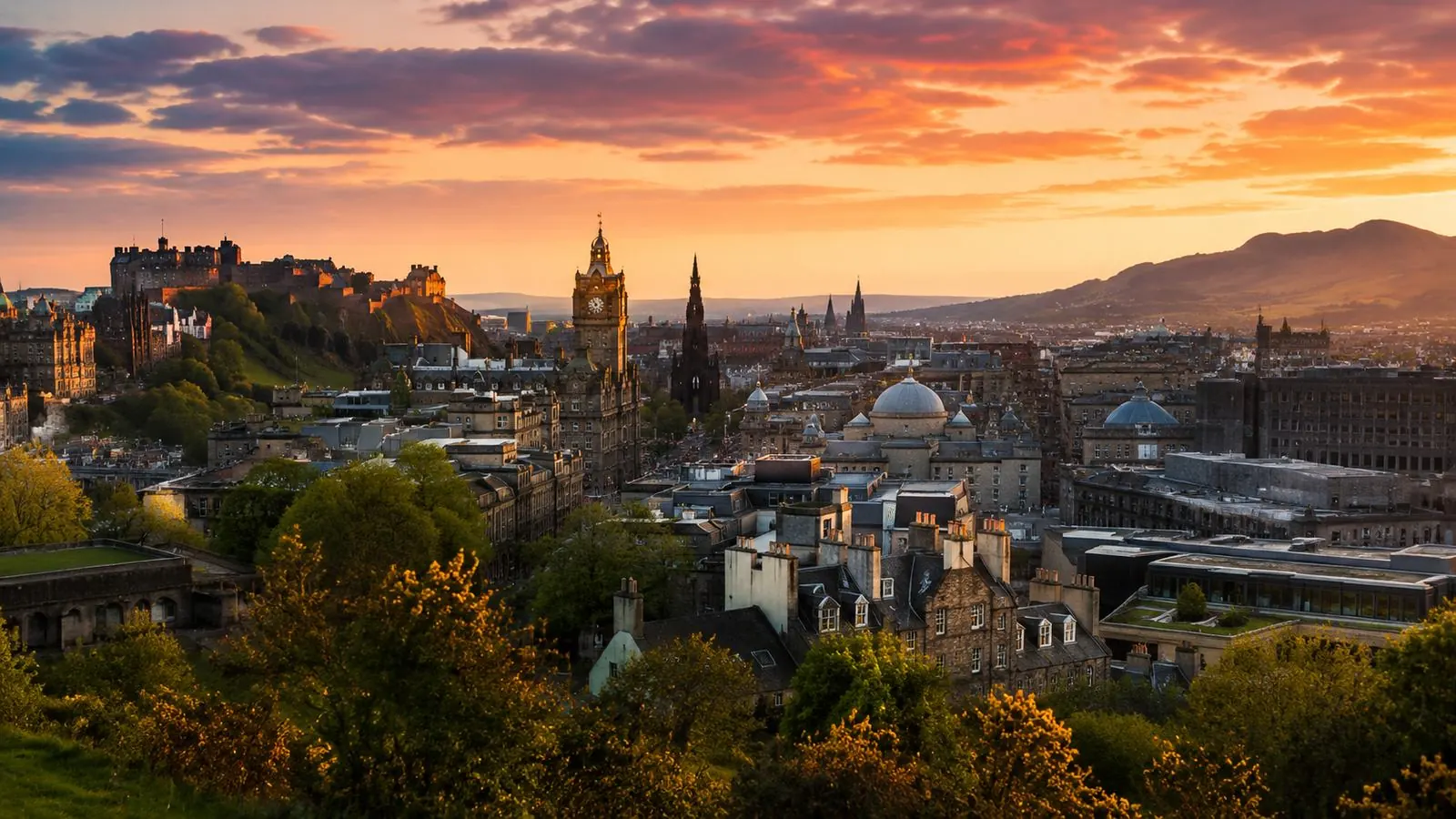
Should you pick Holyrood over Edinburgh Castle? Sometimes no. The castle is the bigger spectacle — the Crown Jewels, the war museums, the views — and if this is your one shot at Edinburgh and you have a single afternoon, I’ll often tell people to take it. But it’s also the city’s busiest paid attraction, it needs 2–3 hours, and its timed entries sell out in August. Holyrood costs about the same, takes half the time, and lets you stand in rooms where the history actually happened, without a tour group at your shoulder. The right answer for most people is both ends of the Mile in one day: castle in the morning, lunch on the way down, palace after 14:00. I’ve set out that plan on Holyrood vs Edinburgh Castle.
The booking traps
Three things catch visitors out. First, the opening days: outside 21 May–7 September the palace is closed every Tuesday and Wednesday, and in 2026 it shuts completely 16–25 May and 27 June–5 July for royal events — dates and quiet hours are on best time to visit. Second, the gate premium: the same adult ticket is £22 booked ahead and £26 walked up, and the GetYourGuide ticket matches the official advance price while adding free cancellation to 24 hours — every 2026 figure is on the cost page. Third, the bundle maths: castle, palace, Britannia and a 48-hour bus pass bought separately come to £94.50, while the Royal Edinburgh Ticket covers the lot for £81 — worked through on combo tickets.
The bottom line
Book the £22 entry ticket ahead for a day the palace is actually open, give it the middle of your afternoon, and let the castle keep its crowds. If a summer morning finds you on the forecourt wondering whether to go in, my answer, eleven summers running, has been the same: yes.
Ready to book?
The entry ticket below is the same price as booking direct, cancels free up to 24 hours out, and includes the multimedia guide. If you want the castle and Britannia in the same trip, read up on the combo tickets first.
Frequently asked questions
Is this guide connected to the palace?
No. I’m an independent Edinburgh guide; official visitor policy comes from the Royal Collection Trust. What I add is the practical layer — what tickets really cost and which are worth it.
What is the single most useful thing to know?
The palace is closed every Tuesday and Wednesday outside 21 May–7 September, and entirely closed 16–25 May and 27 June–5 July 2026. More in when to visit.
How long does a visit take?
About 1–1.5 hours with the multimedia guide — details in how long it takes.